




Flat Rate Shipping
$9.95 flat rate shipping or free over $110

Aussie Owned
Australian family-owned & sourced

School Supplier
Supplier to over 1,000 schools Australia wide
For Stage 5
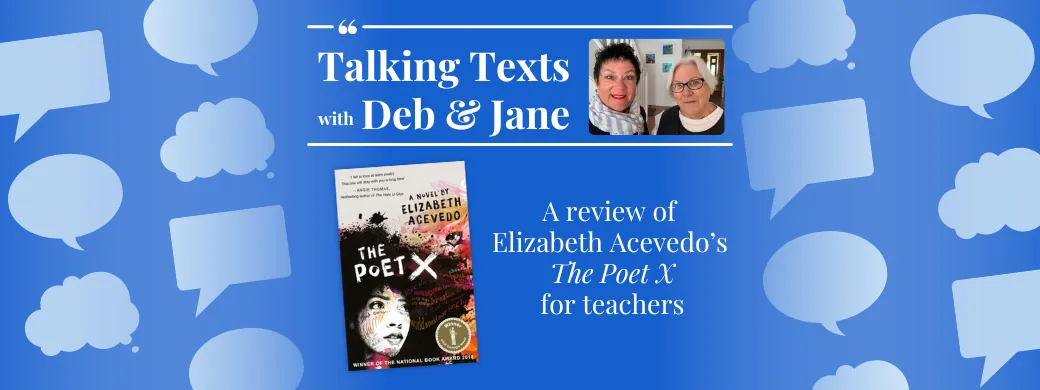
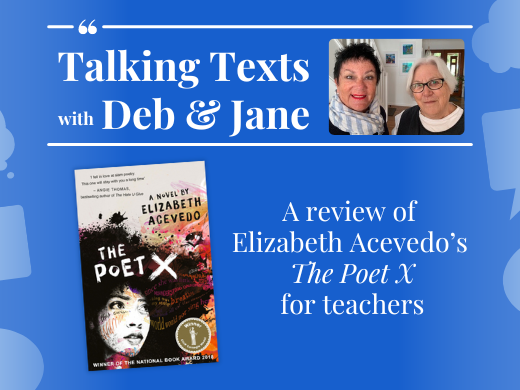
Here is a verse novel/slam novel, that will inspire Stage 5 students to write and perform their own poetry. The Poet X will provide much discussion in the Year 9 or 10 classroom with its examination of families and religion, growing up and rebellion, courage and sexuality, immigration, music, racism and sexism.
The Poet X was the winner of the National Book Award (2018), the Carnegie Medal (2019) and the Golden Kite award for Young Adult Fiction (2019). Elizabeth Acevedo is a Dominican-American poet and author who was named Young People’s Poet Laurate in 2022 by the Poetry Foundation.
Fifteen-year-old Xiomara is a young Dominican American living in Harlem and her name means “ready for war.” She is tall and strong with “a mouth silent/until it’s sharp as an island machete.” (p8) This is a girl who is built for battle. Xiomara wearily tells the reader how to pronounce her name (See-oh-MAH-ruh) as she has done for her teachers every year of school. The first words she can remember from her father are “Pero, tú no eres fácil, “You sure ain’t an easy one” (p10) and that proves to be the case. Xiomara defends Twin, her brother, and herself with her fists and her mouth and she doesn’t back down easily. But her biggest fight is with her equally fierce and deeply religious mother. Xiomara pushes back against the restrictions of both mother and church and against the taunts and eyes of the boys that follow her at school.
It is her teacher, Ms Galiano, who encourages her to join the poetry group and the poems she has always written down in her notebooks can start a new life being proclaimed as slam poetry. In Science class she meets Aman and finds in him a soul mate and first love. Through her poems and her determination, we see Xiomara start to find solutions to the challenges in her life. This novel will provide a powerful exemplar for students in their own writing and in their lives.
Miles Merrill is a performance writer and the founder of Australian Poetry Slam. Narcisa Nozica is an English teacher and winner of the NSW Premier’s English Teachers’ Association Scholarship. Together there is not much they don't know about helping young people find their poetic voice and thankfully they wrote a book about their experiences called Slam Your Poetry (2020, NewSouth). It’s an engaging, accessible and practical guide to writing poetry for everyone, and especially for students. It has three main sections. Write to speak covers ideas for writing and how to perform. Part 2 details how to set up a Slam and Part 3, Teach a revolution, is both a rationale and a handbook about how to engage students and awaken the poet and artist within them. The appendixes have detailed online resources including spoken word and video collections, sample guidelines and templates for running your own Slam. You could use The Poet X in conjunction with this book to plan a Student Poetry Slam and Xiomara from the novel, could be your secret guest speaker!
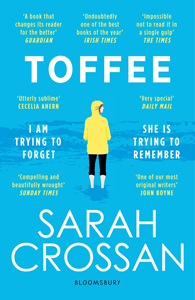
British writer Sarah Crossan and Australian writer Steven Herrick are two great proponents of the verse novel form. Sarah Crossan has written many fine verse novels including the Carnegie award winning One in 2016, about co-joined twins. Moonrise is another engrossing verse novel about the denial of justice, about life on the poverty line and about siblings and the love that binds them together. Toffee is concerned with homelessness and relations between the old and the young while We Fall Apart is about modern star-crossed lovers. In an interview on You Tube Crossan explains that verse novels appeal to her because:
… you don’t have to worry about all the in-between stuff in a story. You create these snapshots of people’s lives like a series of photographs … (whereas a conventional novel is more like a film) … In a verse novel, readers are prepared to work harder to do a bit more work, but having said that it’s an easier read because there is so much white space on the page.
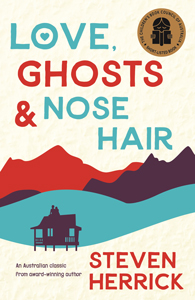
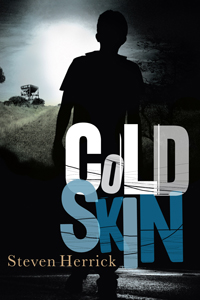
Crossan has really summed up why verse novels are such a wonderful form to explore in the classroom, especially with disengaged or reluctant readers. Steven Herrick has had great success with his verse novels including Love, Ghosts and Nose Hair, The Simple Gift, By the River and Cold Skin among his many titles. Put all the verse novels from Crossan and Steven Herrick in a book box and get students to read for pleasure and just nominate which one was the best for them and why that was so. Sit back and watch the reading and discussion begin.
Text requirements: The Poet X is a verse novel by an author from the USA. It includes a range of cultural, social and gender perspectives.
For more recommended texts suitable for Stage 5, explore our Year 9 texts and study guides and Year 10 texts and study guides.
Concepts could include Narrative, Connotation, Symbol and Imagery.
Reading, viewing and listening for meaning
Reflecting
Connotation, imagery and symbol
Narrative
Writing
Representing
(English K-10 Syllabus 2022 © NSW Education Standards Authority for and on behalf of the Crown in right of the State of New South Wales, 2023)



Jane Sherlock and Deb McPherson are experienced and passionate English teachers. They have also been involved in the education sector as authors and presenters at teaching conferences.
$9.95 flat rate shipping or free over $110
Australian family-owned & sourced
Supplier to over 1,000 schools Australia wide