




Flat Rate Shipping
$9.95 flat rate shipping or free over $110

Aussie Owned
Australian family-owned & sourced

School Supplier
Supplier to over 1,000 schools Australia wide

For Stage 4
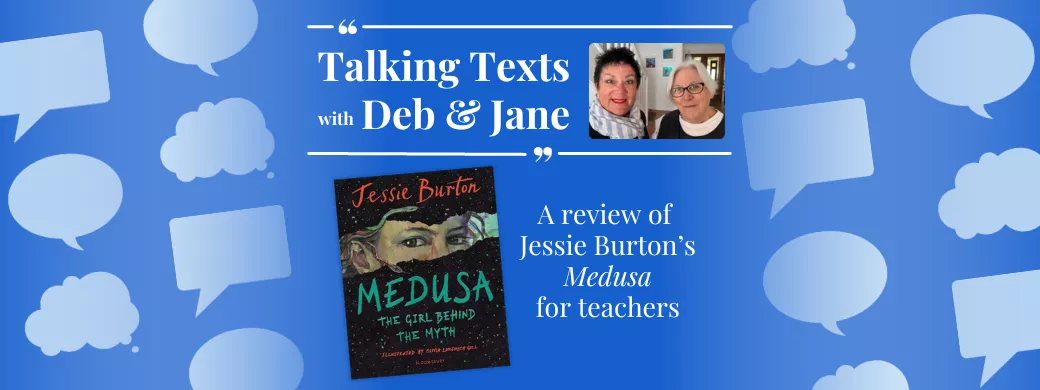
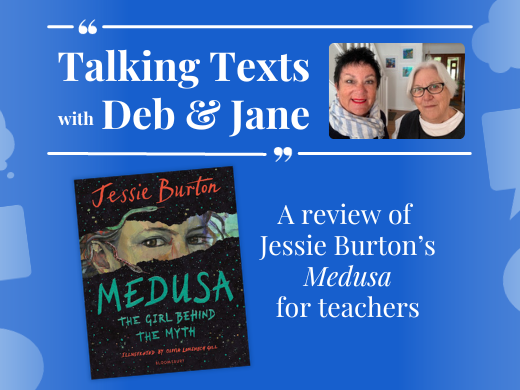
The original Greek myth of Medusa begins with a human girl with beautiful hair. Poseidon, the god of the sea, rapes Medusa in the temple of Athena, enraging the goddess. Athena blames Medusa for being young and beautiful (not the rapist) and punishes her by turning her into a Gorgon, a monstrous being with snakes for hair. She also banishes Medusa to an island with her winged sisters who are not mortal beings. Medusa is so hideous that the sight of her could turn an onlooker to stone. Perseus, a young hero needs to slay Medusa as King Polydectes, (who wants him out of the way so he can marry Perseus’s beautiful mother), manipulates Perseus into promising him Medusa’s head. Perseus is aided by Athena and Hermes and gifted with a sword and bronzed shield, winged sandals, invisible cape and magic wallet so he can remove Medusa’s head without being turned to stone. He creeps up on Medusa while she is sleeping and cuts off her head. He later uses the head to turn his enemies, including his King, into stone.
In Burton’s retelling Medusa is the lonely narrator living out her banishment on her island. Her sisters are often away seeking food. She befriends the restless and intelligent snakes in her hair but longs for connection with another human. When Perseus arrives by boat, lost and hungry with his dog, she provides food but remains cautious about revealing herself or her identity. They talk sitting on either side of a cave wall. When Perseus finally reveals his mission, unaware of Medusa’s identity, readers rush with Medusa to a transfixing conclusion.
Watch the trailer for Medusa as an introduction to the illustrated novel. After a close study of the novel create student-generated book trailers and reviews and upload to a school/class blog. Then QR codes can be generated and placed around the school for other students to access.
Students can be introduced to the original myth as the teacher reads it aloud or uses or an audio version. By comparing the original myth with the retelling students, working in groups, can consider why and how the text has been adapted, appropriated, and transformed for a modern audience and context.
The contemporary link with #MeToo is unmistakable as Burton explores themes of gender stereotyping, female autonomy and consent. Students could seek out modern stories and narratives with a singular perspective and consider the gaps and silences that indicate other possible perspectives that have been overlooked. They can ask the question “What perspectives have been privileged and what have been silenced?
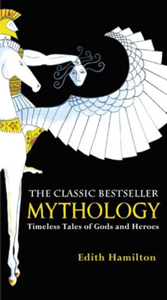
Use Medusa’s warning to us all, ‘You should be careful who tells your story’ as an inspiration for students to read and explore other myths, folk and fairy stories and reinterpret them. Edith Hamilton’s classic bestseller, Mythology is a great source for other myths and legends. Changing Stories published by Chalkface is an excellent collection of folk and fairy stories and explores who told those tales, who listened to them and how the stories changed as they were retold.
Text requirements: Medusa is a novel (extended prose) and a quality multimodal text from around the world. It includes a range of cultural, social and gender perspectives.
Looking for more classroom texts for Stage 4 students? Browse our Year 7 texts and study guides and Year 8 texts and study guides at Five Senses Education.
Concepts include Intertextuality • Perspective and context • Narrative • Literary value.



Jane Sherlock and Deb McPherson are experienced and passionate English teachers. They have also been involved in the education sector as authors and presenters at teaching conferences.
$9.95 flat rate shipping or free over $110
Australian family-owned & sourced
Supplier to over 1,000 schools Australia wide