



Flat Rate Shipping
$9.95 flat rate shipping or free over $110

Aussie Owned
Australian family-owned & sourced

School Supplier
Supplier to over 1,000 schools Australia wide
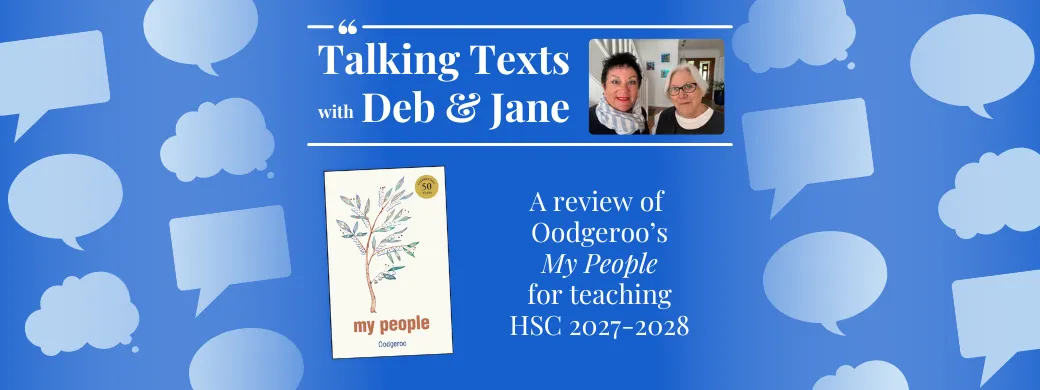
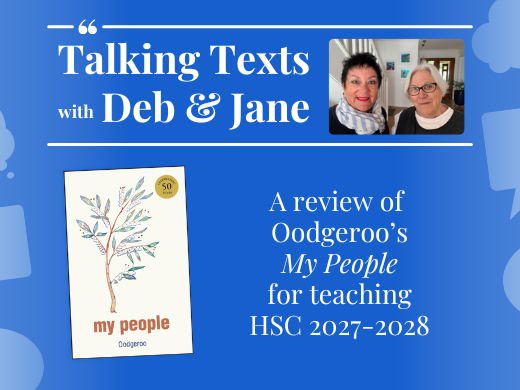
The following poems by Oodgeroo Noonuccal are set for study in 2027-2028 in Year 12 in Standard: Close study of literature
‘Corroboree’, ‘Ballad of Totems’, ‘No More Boomerang’, ‘Son of Mine’, ‘We Are Going’, ‘The Past’, ‘Reed Flute Cave’
‘The Past’ and ‘Reed Flute Cave’ are prescribed for the current HSC (2019-2026). Teaching the other five poems cannot commence until Term 4 2026 and will be first examined in 2027.
This is the fifth edition of My People which was updated in 2020. The collection contains 7 poems which cover the length and breadth of Oodgeroo’s experiences and significant contribution to Australian literature. See a previous blog on My People: February 19, 2024.
Be sure to be familiar with the Protocols for collaborating with Aboriginal and Torres Strait Islander Communities and engaging with Cultural works in the NESA Standard English syllabus. p165 in Standard in multiple syllabuses download.
There is a valuable biography of Oodgeroo Noonuccal at the back of the collection My People. This information is essential for teachers and students.
Students could write a discursive article suitable for a weekend magazine or popular newspaper on the life, times and legacy of Oodgeroo Noonuccal
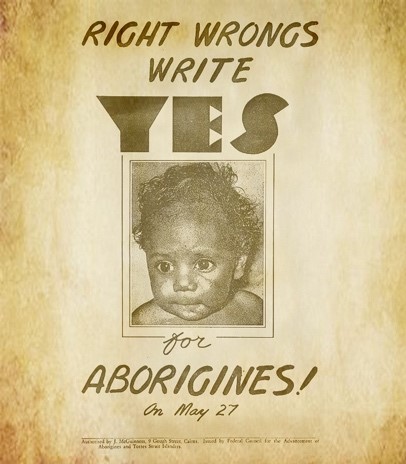
Background: In 2027, when students first study these poems for the HSC, it will be sixty years since the 1967 referendum where 90.77% of the Australian electorate supported the referendum as well as a majority in every state. On 27 May 1967, Australians voted to change the Constitution so that like all other Australians, Aboriginal and Torres Strait Islander peoples would be counted as part of the population and the Commonwealth would be able to make laws for them.
Form small groups and allocate an area to each group to research and write.
Areas of research on Oodgeroo Noonuccal could be a separate section in the article:
Features of the form to be included
Note: possible order and combination of poems
While it is common to follow the order of the poems on the NESA list which is the chronological order of composition, it might be more engaging to divide the poems into focus ideas.
This is a possibility:
For each poem
Consider a table:
| Poem name and poet’s intention | ||||
| Key ideas | Example of language choices which represent the ideas | Specific stylistic devices/poetic techniques | Effect/impact on the reader | Which other poems could connect with this poem? |
Chronologically ‘The Past’ is a later poem, but it effectively and powerfully captures Oodgeroo’s poetry as an expression of Culture, Identity and Customary practices.
It is a beautiful poem evoking rich respect for the longevity of First Nations histories and cultures and embodies First Nations’ Connection to Country. It affirms the importance and power of Storytelling. This concept could become a lens for exploring Oodgeroo’s poetry.
After the China poems we can see a broadening of Oodgeroo’s exploration of society, culture, heritage to the wider encapsulation of nature and Indigeneity. The creation of nature transcends specific countries and Indigeneity and can be seen to be a larger view of our world and who we are.
This poem offers a humble perspective as to where humanity is in this huge cosmos.
‘The Past’
Consider the significance of the title: “the” adds a specificity to “past”: encourage class consideration of what the past means to them and what frames how we see the past. Broaden this to First Nations’ perspective on the past as a spiritual connection to their Dreaming that affirms the extraordinary longevity of First Nations Histories and Cultures.
Close focus on the opening:
Let no one say the past is dead.
The past is all about us and within.
Haunted by tribal memories, I know
This little now, this accidental present
Is not the all of me, whose long making
Is so much of the past.
Going further:
What is distinctive about the poem’s ending?
Responding to the poem
It is important to provide responding opportunities to students early in the unit and in low risk/no risk contexts. This not only normalizes the writing response but enables authentic experiences to gauge student understanding and interpretation.
This can be achieved in small groups or as individuals.
Students will need guidance and a scaffold for unpacking the question, writing in the essay form as well as affirming and legitimising a personal response.
An HSC style question:
Discuss how Oodgeroo’s perspective on the past is conveyed in her poetry. In your response, make detailed reference to ‘The Past’.
I suggest to then move to ‘Corroboree’ and ‘Ballad of Totems’ as poems which affirm First Nations cultural practices providing rich insights to this ancient culture.
Depending on your students’ knowledge and understanding of First Nations culture, it will be important to provide details on corroborees and totems.
To fully explore and appreciate these poems, I recommend that you include in your faculty resources Cara Shipp’s exemplary text, Listening from the Heart. This extract, from my colleague, Deb McPherson’s review of Listening from the Heart, attests to that:
“Listening from the Heart is an outstanding resource for English teachers and faculties across Australia as we seek to be a better job of enjoying, understanding, learning about, and from, First Nations people… Listening from the Heart will help teachers seek better ways to engage with First Nations People and their stories, history and culture. Every teacher will benefit from this kind, thoughtful text and faculties will have much to explore and discuss. This is the book of the year in terms of supporting teachers in the classroom and can be very highly recommended."
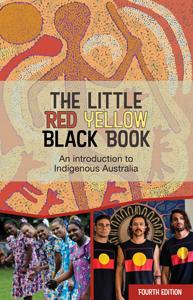
I would also recommend having copies of an excellent resource, The Little Red Yellow Black Book, in your faculty professional library. Originally published in 1994 and since updated, The Little Red Yellow Black Book has established itself as the perfect starting point for those who want to learn about the rich cultures and histories of Australia’s First Peoples. Readers will also learn about some of the key concepts that underpin Aboriginal and Torres Strait Islander worldviews including concepts such as the Dreaming, the significance of Ancestral Heroes and Country.
Before exploring the poem, share with students their understanding of the cultural and ceremonial practices of the corroboree and build a vocabulary list to enrich student responses to the poem.
A corroboree is a First Nations ceremonial meeting. It usually includes celebration of Aboriginal mythology and spirituality, which is based in the Dreaming. The Dreaming is the Aboriginal understanding of how they and the world around them were created by the ancestor spirits.
Task:
Short writing response:
In what ways did your participation in this group reading enhance your understanding of the poem and the significance of the corroboree. Which other group presentation enriched your understanding and in what ways?
Analytical response:
How does Oodgeroo Noonuccal’s ‘Corroboree’ portray interesting ideas about culture? In your response, make detailed reference to this poem. Write about 500-600 words.
Following ‘Corroboree’ consider ‘Ballad of Totems’ which is a more whimsical exploration of First Nations cultural practices. The self-deprecating tone is a popular feature of some First Nations storytelling and the richness of connection to country and the significance of totems is important.
After ‘Ballad of Totems’ consider exploring ‘Reed Flute Cave’ or move to the next grouping of poems which are more strident in their voice. These poems are compelling representations of how Country/Place, Community and lived experiences shape the perspectives of Aboriginal and/or Torres Strait Islander Storytellers and audiences. They are a poignant focus on such ideas and experiences of dispossession, inequality, injustice, loss and pain.
Next grouping of poems:
‘No More Boomerang’
‘Son of Mine’
‘We are going’
HSC style task:
Explain how Oodgeroo Noonuccal’s poetry invites us into a different world and broadens our understanding of human experience. In your response, make detailed reference to at least TWO of the poems set for study.
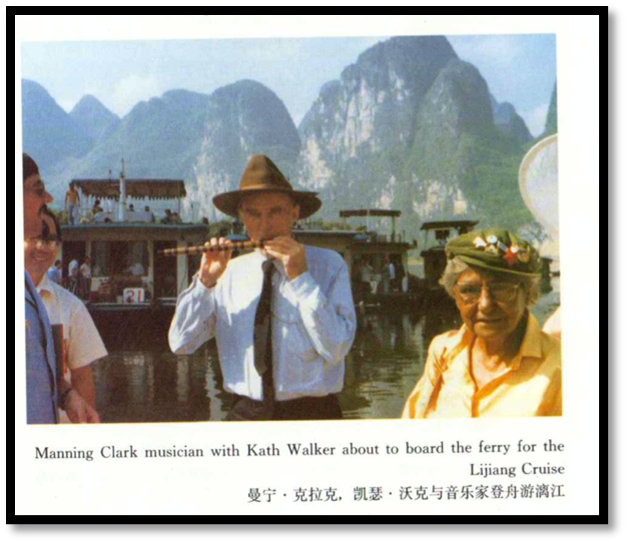
This poem was written during Oodgeroo’s visit to China as part of a cultural delegation with her close friend and political colleague, Manning Clark. With the tour group Oodgeroo visited Reed Flute Cave on 29th September 1984.
This tour re-energised Oodgeroo and reawakened her interest in writing poetry. During this trip she wrote 16 poems which were later published in both Chinese and English as Kath Walker in China.
Reed Flute Cave known as "the Palace of Natural Arts " is in the northwest of Guilin City, 5 kilometres away from the centre of the city.
According to a legend, Reed Flute Cave gained its name because people believed that the reed by the cave's mouth could be made into flutes.
The length of Reed Flute Cave is 240 metres and offers a majestic fairyland of karst caves with landscape and rural scenery.
It is a wondrous landscape of stalactites, stalagmites, stone pillars, stone curtains, birds, plants and animals in fantastic shapes and colours, all glistening in colourful lights.
Explore the cave through YouTube
'Guilin, Reed Flute Cave - China Travel Channel' by myVideoMedia
or
'Guilin Red Flute Cave - Trip to China part 56' by cositravel
There are some valuable notes of explanation on p100 of My People to enrich student understanding of for example, the Dreaming.
Distinctive features of the poem
Questions for students to consider
Big ideas
Task
Perhaps, you are but one of many guardians
Of earth's peoples,
Just one,
My Rainbow Serpent,
Spirit of my Mother Earth.
Use these lines of poetry as the starting point for an analysis of how Oodgeroo creatively engages with culture and identity. In your response, make close reference to ‘Reed Flute Cave’, and at least one other poem by Oodgeroo set for study.
I didn't expect to meet you in Guilin
My Rainbow Serpent,
My Earth Mother,
But you were there
In Reed Flute Cave,
With animals and reptiles
And all those things
You stored in the Dreamtime.
Pools of cool water, like mirrors,
Reflecting your underbelly.
The complexity of human relationships is central to the poetry of Oodgeroo Noonuccal. To what extent do you agree with this statement?
In your response, make detailed reference to the extract from ‘Reed Flute Cave’ and ONE other poem set for study.
There are requirements for particular types of texts to be selected from the prescribed texts list for different courses. Great care must be taken in selecting a pathway of texts that meets all the requirements.
Students are required to closely study 3 prescribed texts with ONE drawn from each of the following categories:
Pathway 1 for HSC Standard English
Prose Fiction
Texts and human experiences:
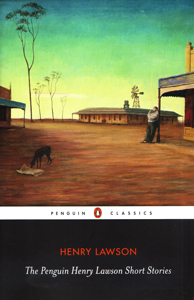
The Penguin Henry Lawson Short Stories
Drama

Language, identity and culture
Shafana and Aunt Sarrinah by Alana Valentine
Poetry
Close study of literature:
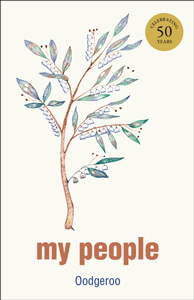
My People by Oodgeroo Noonunuccal
Pathway 2 for HSC Standard English
Film
Texts and human experiences:
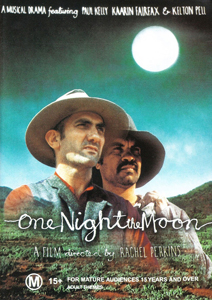
One Night the Moon directed by Rachel Perkins
Prose Fiction

Language, identity and culture
The Namesake by Jhumpa Lahiri
Poetry
Close study of literature:
My People by Oodgeroo Noonunuccal

Jane Sherlock and Deb McPherson are experienced and passionate English teachers. They have also been involved in the education sector as authors and presenters at teaching conferences.
$9.95 flat rate shipping or free over $110
Australian family-owned & sourced
Supplier to over 1,000 schools Australia wide