




Flat Rate Shipping
$9.95 flat rate shipping or free over $110

Aussie Owned
Australian family-owned & sourced

School Supplier
Supplier to over 1,000 schools Australia wide
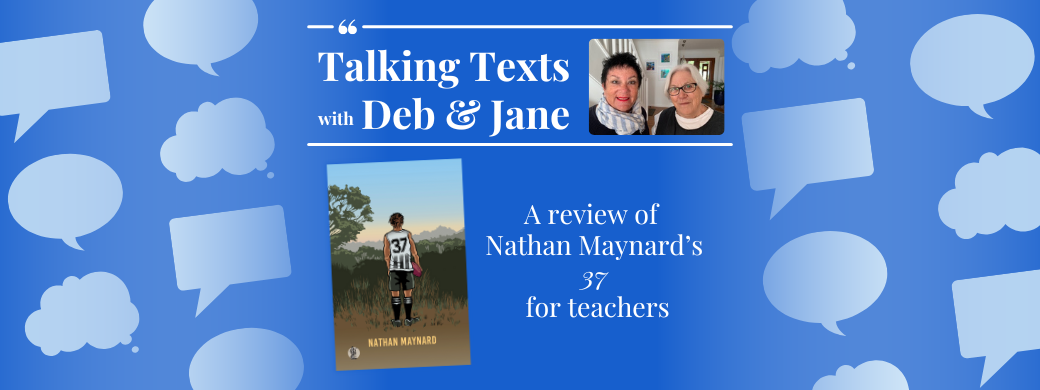
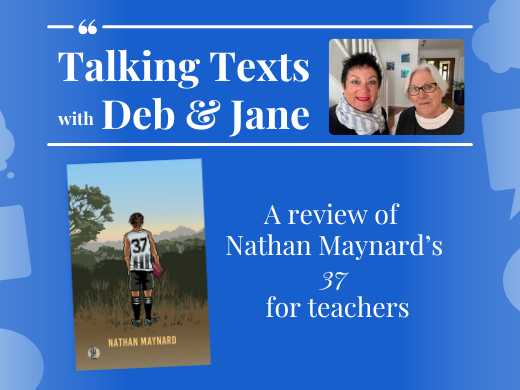
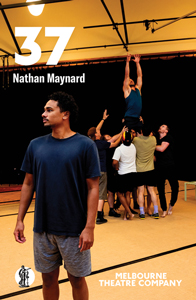
Please note there are two versions of 37, the most recent published this year has the cover pictured to the left. The original published in 2024 is to the right. This blog is based on the 2025 version.
For Stage 6 Year 11
37 is a brutal and powerful exploration of the Aboriginal antecedents of the game of Australian Rules Football and of the entrenched racism in the game and in Australia. 37 was the number of the jersey that Adam Goodes, Swans legend and Australian of the Year (2014) wore when he played for the Sydney Swans and when he called out racism on and off the field. He suffered from prolonged attacks in the media and at the football oval when he was frequently booed. The AFL was slow to act, and Goodes left the AFL in silence in 2015. It took until 2019 for the AFL to make a formal apology to Adam Goodes. In that apology the League made a formal acknowledgement of the link between Marngrook and AFL. The statement read in part:
‘Aboriginal history tells us that traditional forms of football were played by Australia’s first peoples all over Australia, most notably in the form of Marngrook in the Western Districts of Victoria. It is Australia’s only Indigenous football game – a game born from the ancient traditions of our country. It is a game that is proudly Australian.’
The strong, crude and offensive language that occurs throughout the play means that some schools and communities will have to consider whether this play will be suitable for their classrooms. However, the hypermasculinity and locker room stink are a vital part of the play. Using football as a vehicle to explore systemic and sustained racism is a powerful incentive to consider its use in the classroom.
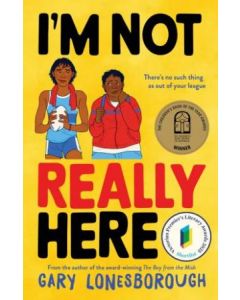
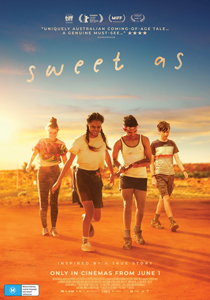
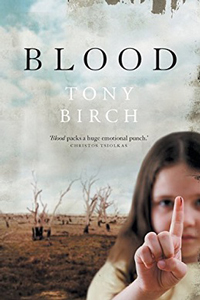
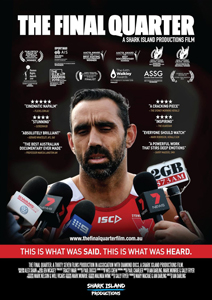
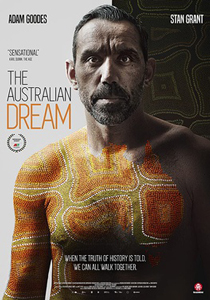
There are no prescribed texts for Year 11 and 37 could be studied in English Studies or Reading to Write with a focus on the representations of First Nations histories and stories. Other texts could be included in Reading to Write; for example, the films The Last Quarter, The Australian Dream and Sweet As, Tony Birch’s novels The White Girl and Blood, Gary Longesbrough’s I’m Not Really Here, Jane Harrison’s The Visitors (in both drama and prose fiction versions), This Book Thinks Ya Deadly! (Corey Tuff in his nonfiction book praises Adam Goodes for his work for Community and advocacy against racism, which make him a deadly role model for young First Nations people).
The Australian Institute of Aboriginal and Torres Strait Islander Studies (at https://aiatsis.gov.au/blog/afls-aboriginal-origins) provides fascinating information on the origins of Marngrook, a Gunditjmara word for ‘game ball’. It was originally played with a possum skin ball, and aspects of the game are very similar to AFL today.
This recollection from Mukjarrawaint man Johnny Connolly is the only known recorded account of someone who took part in the ritual practice and uniquely Australian form of football known as Marngrook:
'In playing a game at ball which they kicked about — the different totems present two different sides and there were men and women on each side e.g. Garchuka men and women against Wurant men and women. Johnny remembers that he, his mother, and her mother all played on the same side at ball. His cousin George played with the Wurant in the other side.' — Howitt 1837-1930, MS 9356, La Trobe Library, State Library Victoria.
The Yoorrook Justice Commission points out “Numerous accounts in the diaries of settlers, explorers, anthropologists as well as artist depictions point to the widespread existence of a ball game not only in South-Eastern Australia but also in the Northern Territory.”
Read Cara Shipp’s Listening from the Heart Rewriting the Teaching of English with First Nations Voices (2023 AATE 150pp). to explore better ways to engage with First Nations Peoples and their stories, their histories and cultures and to understand the protocols and appropriate terminology to use when reading and studying texts by First Nation authors. This warm, wise and generous book will be a huge help in the classroom.
Brief description of 37
In a prologue the ensemble performs a stylized game of marngrook and Jayma explains the game and how it was played for the audience. The scene switches to the clubhouse at Cutting Cove, a small coastal town that hasn't won the local premiership for a very long time. The current coach, the General is eager to change that and two new recruits, talented Aboriginal cousins, Sony and Jayma, could be the men to take the team to the top of the ladder and to the flag. Apples, Gorby, Ant, GJ, Joe and Woodsy are other team players. The General emphasises teamwork, being there for everyone, standing up for everyone but Woodsy makes constant racist jabs and banter and makes it difficult for Jayma. While Woodsy is censored for his earlier remarks he blows up again when Jayma wears a 37 jersey to training. Goodes’ number exposes divisions in the team and other members of the club begin to shut out Jayma out on the field. When he complains, Woodsy begins another racist trope. Sonny supports his cousin and punches Woodsy. It’s revealed by his son that the General only played one premiership game and was brought in to take out the best player on the other side which he did by breaking his cheekbone. Jayma and Sony consider telling the club to “stick ” their contracts but decide to play for Jayma’s dad and marngrook while the General decides to toss out their contracts once they win the game. As the game is in its final minutes Jayma has an important decision to make.
The Melbourne Theatre Group have extensive resources on the production of 37 where many photographs show the quality and vitality of the production to bring it alive for students. In addition you could watch the Trailer for 37 in the classroom.
In groups consider the impact of the following quotations and together investigate who said it, when they said it and what were the consequences:
“You know I’ve never really been around an Aboriginal before. They’re just like us really.”
“Woodsy’s a racist turd and he always has been.”
“Thanks for having my back out there today man.”
“Which side do you think the town’s going to take? A seventh generation Cove boy or two boys up from the valley?”
“The truth is, the town wants a flag mate. I’m sure everyone will be happy to turn a blind eye for a week.”
“We can’t think about a couple people here, boys, we have to think about everyone, because the team comes?” (Response from the boys is “First, second and third.” )
“Are you prepared to pay the price?”
“What price you paying, General?”
“Kick this Darky, and you’ll be a Cutting Cove currawong for life.”
‘Woodsy pats JAYMA on the back before jogging off.’
‘JAYMA places the ball on the ground, places some earth over it and then walks off the ground.’
Working in groups compile a list of the main ideas explored in the play and indicated HOW these ideas are represented in the play and your judgement as to their impact and success. Some main ideas are suggested to get you started.
| Main ideas | How represented | Commentary |
| Identity | ||
| Racism in footbal | ||
| Hypocrisy in leadership | ||
| Hypermasculinity | Profane, crude and often cruel language; physical violence | |
Read other reviews of theatre in the Sydney Morning Herald or the Guardian to help you to understand the structure of a review. Readers usually appreciate a brief idea of what happens (without spoilers) and some analysis and judgement. Make sure you've told the reader what happened; what you thought the play was about; and whether you thought it was successful. Elements could include the nature of the conflict, the context, direction, script, cast and performance skills, costume and props and set and sound design.
Text requirements: 37 meets Stage 6 text requirements for drama, Aboriginal and/or Torres Strait Islander author, Australian author, social, cultural and gender perspectives.
Find supporting resources in our Year 11 texts and study guides at Five Senses Education.


Jane Sherlock and Deb McPherson are experienced and passionate English teachers. They have also been involved in the education sector as authors and presenters at teaching conferences.
$9.95 flat rate shipping or free over $110
Australian family-owned & sourced
Supplier to over 1,000 schools Australia wide