




Flat Rate Shipping
$9.95 flat rate shipping or free over $110

Aussie Owned
Australian family-owned & sourced

School Supplier
Supplier to over 1,000 schools Australia wide
For Stage 5
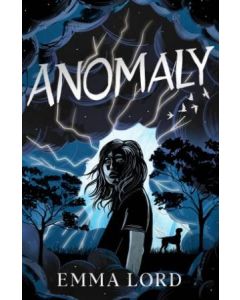
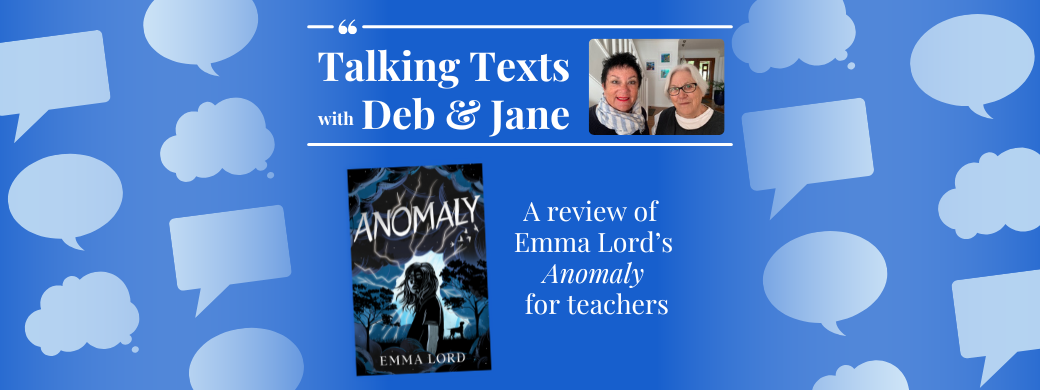
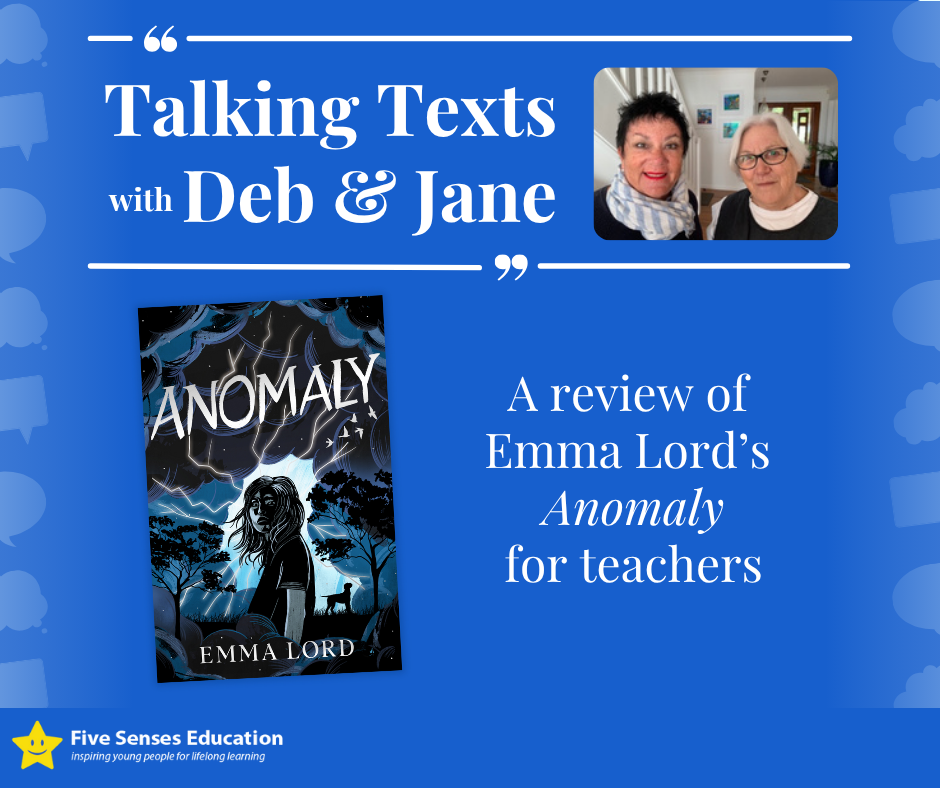
Anomaly is a ripper of a read. The novel sets up all sorts of anomalies in the narration and characterisation that will propel the reader though this fearful road trip full of monsters and madness. Readers will relish its black humour and sharp dialogue and appreciate how well grounded it is in the harsh realities of life. The only aspect that disappointed me about this novel is that I will have to wait to read Book 2! The explosive end of Book 1 has really generated some excellent anticipation of another road trip, “slightly further afield this time.” A sequel is slated for release in 2026.
Emma Lord is a freelance copywriter and Sydney author. Anomaly won the $30,000 2025 Ethel Turner Prize for Young People’s Literature in the NSW Literary Awards. It also won the 2025 Victorian Premier's Literary Award for Writing for Young Adults and was the winner of the 2025 VPLA Prize for Writing for Young Adults. It was shortlisted for the ABIA 2025 John Marsden Book of the Year for Older Children and for the 2024 Aurealis Awards Best Young Adult Novel.
Brief description of Anomaly
Anomaly opens on an isolated farm with only a teenager and a dog present. Events and facts are gradually revealed through the first person narrative of Piper Manning. She is resourceful and brave; she makes mistakes but keeps struggling with her problems. There has been an epidemic and people have died in their millions all over the world. Piper, after a traumatic event in her life, was staying with her aunt Jules. The reader learns that the aunt has died of the disease. It emerges that Piper had it as well but recovered with some scary after-effects that mean she has a power she has difficulty controlling. She is running out of food and with her aunt’s dog, Griff, she goes foraging at a nearby house. The pantry is full and Piper is on her way back with supplies when she finds a near-dead stranger called Seth by the side of the lake. He has clearly been attacked. She rescues him, dragging him back to her house. As Seth recovers (very rapidly) he tells her about the Reapers, aliens who feed on humans’ minds, and either kill their prey or leave them as a ‘shell’, to endlessly play the loop of their worst memories. A Reaper soon attacks the house and somehow, together, they destroy him. Seth, who appears to know a great deal about the aliens, says they must find a place where survivors gather. He explains the Reapers are connected and will be following them. There are trust issues between the two teenagers as Piper does not reveal her powers and Seth does not disclose his origins. As well there are early indications of romantic interest between them. They set out, find another teenager Frankie, escape a group of Reapers and destroy some of them and finally find the survivors’ camp. Or rather they are detained by guards from the camp. They discover that the doctor they thought could help them is experimenting on survivors, who have anomalies like Piper. As a phalanx of Reapers prepare to attack the community Piper’s new powers could make the difference.
Anomaly is a thriller. There are clues scattered throughout the novel to help the reader predict what might happen next. They become much more apparent on a second reading. As you read through the novel keep alert for those clues as they start from page 1 with the melted truck battery. Keep asking yourself what happened to Piper to make her so very afraid even before she met a reaper? Check in with other members of your group as you read up a storm.
Emma Lord described her book as “It’s a YA sci-fi thriller set in post-apocalyptic Australia. It’s about a young woman dealing with her inner demons while being hunted down by actual monsters.” It's a great description to set you off on a genre challenge hunt to find the different and overlapping characteristics of genre in this novel.
Speculative fiction is a broad term for a genre usually associated with settings other than the real world with futuristic or imaginative elements. This definition encompasses science fiction and fantasy genres including Science Fiction, Horror, Dystopian and Post-Apocalyptic genres.
Anomaly has some classic conventional elements of the science fiction genre e.g.
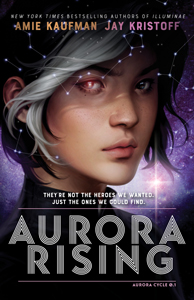
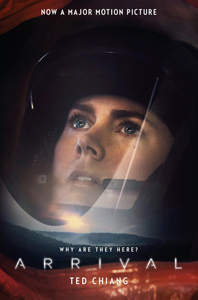
Science Fiction films/novels include Dune, The Martian, Foundation, Avatar, The Hunger Games and Arrival.
Anomaly also has aspects of the Horror genre. Its conventions revolve around
Famous horror films include Alien and The Shining.
Dystopian films/ novels usually involve
Famous dystopian fiction/films include Nineteen Eighty-four, The Handmaid’s Tale, Brave New World.
Post Apocalyptic films/novels usually involve
Famous Post Apocalyptic film/fiction includes: The Road, Mad Max, Children of Men.
Task
As you read Anomaly, note down what conventional elements of Science fiction, Dystopian, Horror, and Post-Apocalyptic fiction (four often related genres) are present in the novel. Also note down textual support for the ideas of
In an interview Emma Lord was asked what inspired the dystopian world of Anomaly. She replied that the world of Anomaly took on a new dimension once she fixed on an Australian setting. “Our landscapes are unique and beautiful and hostile and haunting – all at the same time. What better place for a post-apocalyptic monster invasion to play out?” It appears from the last line in the novel that Piper and Seth might be taking the story off earth to another or a parallel universe to continue the war against the Reapers. Use your imagination and your knowledge of the novel and its characters to write a synopsis for the new story. Remember the real sequel should be coming out in 2026.
Challenge yourself to read more widely in this genre and select TWO works of fiction from the list at the end of this blog to read or watch and share your responses with the class.
Text requirements: Anomaly is a novel (extended prose) by an Australian author and it includes a range of cultural, social and gender perspectives, including from popular and youth cultures.
Pair this text with resources from our Year 11 texts and study guides and Year 9 texts and study guides for a deeper study program.
A student uses a range of personal, creative and critical strategies to interpret complex texts EN5-RVL-01
Reading for challenge, interest and enjoyment
A student analyses how meaning is created through the use and interpretation of increasingly complex language forms, features and structures EN5-URA-01
Characterisation
Narrative
A student evaluates how texts represent ideas and experiences, and how they can affirm or challenge values and attitudes EN5-URB-01
Style
A student investigates and explains ways of valuing texts and the relationships between them EN5-URC-01
Genre
A student crafts personal, creative and critical texts for a range of audiences by experimenting with and controlling language forms and features to shape meaning EN5-ECA-01
Writing
(English K-10 Syllabus 2022 © NSW Education Standards Authority for and on behalf of the Crown in right of the State of New South Wales, 2023)


Jane Sherlock and Deb McPherson are experienced and passionate English teachers. They have also been involved in the education sector as authors and presenters at teaching conferences.
$9.95 flat rate shipping or free over $110
Australian family-owned & sourced
Supplier to over 1,000 schools Australia wide