




Flat Rate Shipping
$9.95 flat rate shipping or free over $110

Aussie Owned
Australian family-owned & sourced

School Supplier
Supplier to over 1,000 schools Australia wide

For Stage 4
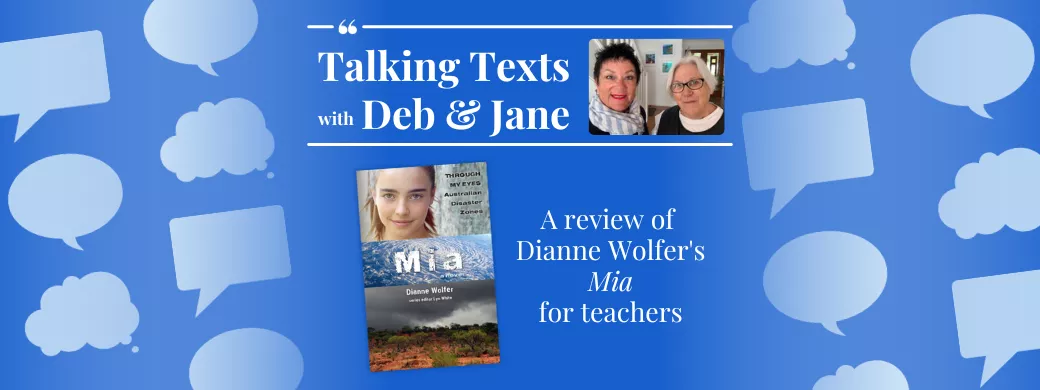
This is the sixth book in this enjoyable and engaging series titled Through My Eyes Natural Disaster Zones which explore challenging weather experiences ranging from the tsunami in Japan, a typhoon in the Philippines, an earthquake in New Zealand. More recently the series has focused on Australian Disaster Zones: bush fires in Tasmania, floods in the Pilbara and the most recent one – the severe drought in South Australia’s Flinders range.
Each book explores the physical challenges through the eyes of the story’s adolescent protagonist. The stories have been well researched so there is a compelling sense of the real. Adolescents overcoming adversity is an inspiring narrative and this series delivers in abundance.
As we have witnessed over the past few years, Australia continues to be challenged by natural disasters of flood, bushfires and drought. Mia is set in the remote and vast Pilbara region of Western Australia. For months of the year this area is dry and hot but every year the monsoons bring heavy rain; sometimes those monsoons become cyclonic, and the area is inundated with torrential rain and massive flooding.
From 18-26 March in 2019 severe Tropical Cyclone Veronica reached category five intensity north of Western Australia. Two thousand cattle died. Properties and homes were destroyed. Mining and oil infrastructure were severely damaged. The total losses were estimated at about $2 billion, making Veronica one of Western Australia's costliest weather events.
Rosanne Hawke has researched the physical impact of such flooding but it is really thirteen year old Mia whose own story makes this text so engaging and enjoyable. Mia’s mother is a vet and equine therapist, so the world of horses is a significant feature of this story; certainly a winner for Stage 4 students!
The floods are rising, roads are blocked, homesteads are isolated. Mia’s mother has been called to a property where a foal is in danger. Mia is alone on her family property and here the challenges begin. It is a pacey story involving Mia’s amazing resilience, her own equine knowledge and courage.
A new text requirement of the syllabus requires texts chosen by students for personal interest and enjoyment and this series of Through My Eyes gives students authentic opportunities to explore choice and voice. The appeal of the real expands knowledge and interest and the capacity of the young protagonists is inspiring.
1. This text could be part of a broader unit of work which explores a range of different texts in different textual forms which represent the natural world. The recent film – Blueback – based on Tim Winton’s classic novella of the same name could be a starting point to raise awareness of how texts represent discourse on our natural environment. Mia could be a focus text and students could be given choice to read others in the series. The latest - Alex (August 2023) involves a boy whose family’s farm, livelihood and father’s mental health are all under extreme stress due to the devastating drought of 2017-2020. This text gives fascinating insight to the wretchedness of drought and also the fascinating world of camel farming. Alex is a very likeable and admirable protagonist of the story and indeed, quite the hero.
2. Initiate a class discussion of why we are attracted to real stories and how real stories are often the basis for novels, plays, television series and films. Consider a visual display of such texts or some slides of book covers and film posters.
Include in this discussion:
This idea of realistic fiction could be the focus of this unit of work and could explore a range of texts – film, ballads, nonfiction, fiction, short stories – which use real stories as the basis of their narrative.
Encourage students to walk through Mia to see the various features which are more common to nonfiction. You might find it more engaging to visit these sections after the story has been read.
3. While students may have had a great deal of exposure to wild weather events, it is important to ensure students have insights to specific aspects that provide the context and setting for Mia. Hook students with details and visual coverage – e.g Channel 9 News coverage: https://www.youtube.com/watch?v=as1moovUrZY
4. Encourage students to keep a log on what they learn about the natural world through this story. At the end of their reading, student choose the three most interesting insights they gained from reading Mia.
5. In groups students to explore the characters who engage them most and what it is about the character which makes them so convincing and engaging. Has their character changed – if so, in what ways?
6. In groups students could choose an event, either a weather event or a significant incident or situation, and use this event as the time and place for their own short story. Pre-writing will need to involve research of the event so that authentic detail can be added to the narrative. The narrative needs to include a protagonist who is a similar age to your students and the protagonist will be challenged by the event and will face this adversity with courage and strength albeit at times, fear like Mia.
Text requirements: Novel (extended prose), Australian author, intercultural and diverse experiences (might include literature by authors with diverse backgrounds and experiences, including authors with disability), cultural, social and gender perspectives, including from popular and youth cultures.
Looking for more classroom texts for Stage 4 students? Browse our Year 7 texts and study guides and Year 8 texts and study guides at Five Senses Education.
Concepts: Point of View • Narrative • Characterisation • Perspective and context • Argument and authority


Jane Sherlock and Deb McPherson are experienced and passionate English teachers. They have also been involved in the education sector as authors and presenters at teaching conferences.
$9.95 flat rate shipping or free over $110
Australian family-owned & sourced
Supplier to over 1,000 schools Australia wide